
Delayed Operational Visibility
Businesses may not know what is happening with an asset or environment until someone manually checks it.


IoT is reshaping the way organisations interact with their physical assets, equipment, and environments. Instead of relying only on periodic inspections or manually collected information, a network of devices can now constantly record and operate real-time data.
IoT projects come with different obstacles across various parts of the technology chain. Collecting data alone won't guarantee useful insights.
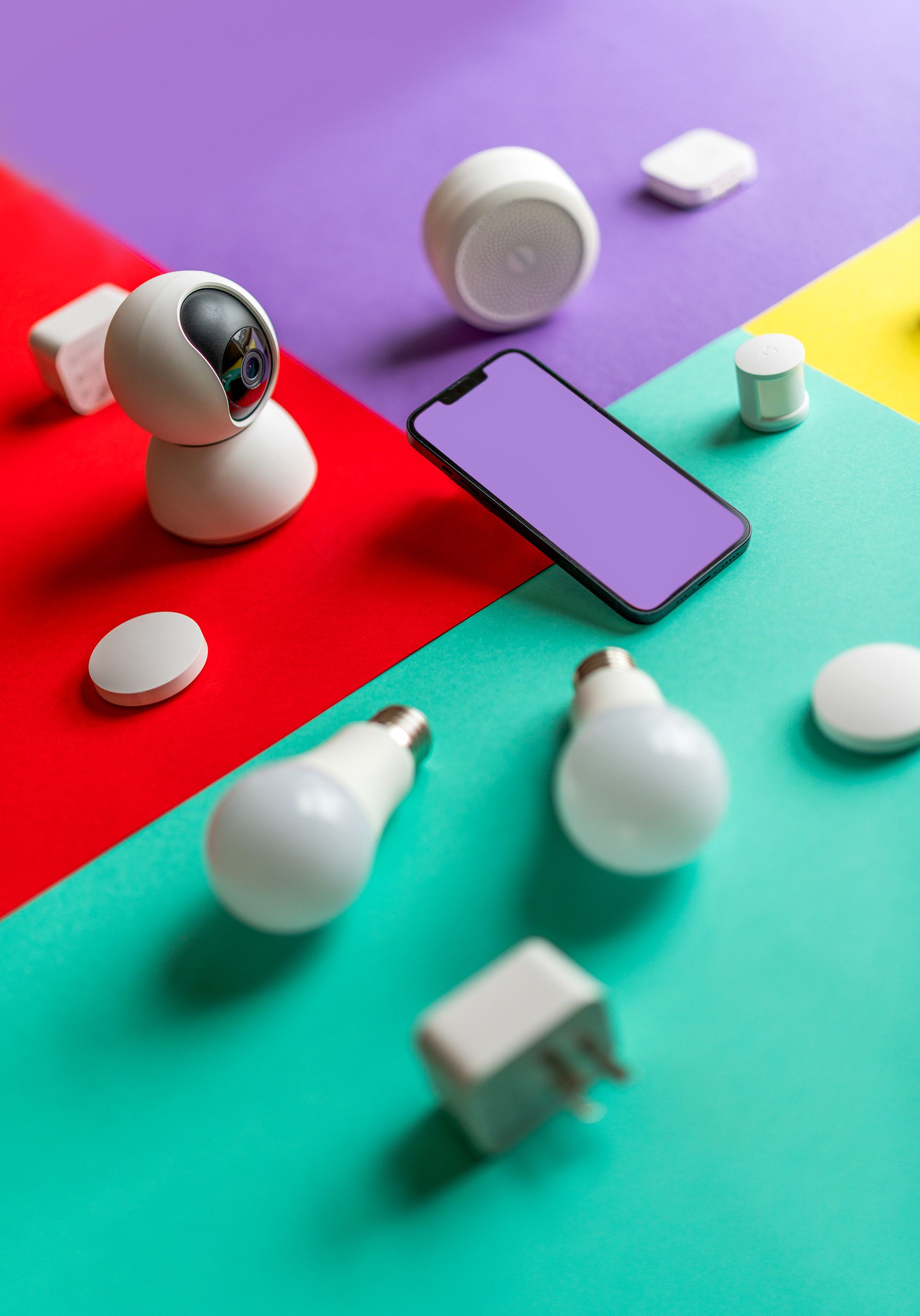
Businesses may not know what is happening with an asset or environment until someone manually checks it.
Equipment issues may only become visible after performance has already deteriorated.
Sending every piece of device data to a remote cloud environment can create unnecessary latency for time-sensitive operations.
Connected devices increase the number of entry points that need monitoring and protection.
IoT ecosystems can connect physical assets with information systems to support monitoring, visibility, maintenance, and operational decisions.

Track vehicles and monitor information such as location, movement, utilisation, and operating conditions.

Connect machines and production equipment to monitor operations and performance.
Monitor equipment conditions and identify patterns that may indicate potential failures.
Monitor the location, movement, and status of valuable assets.
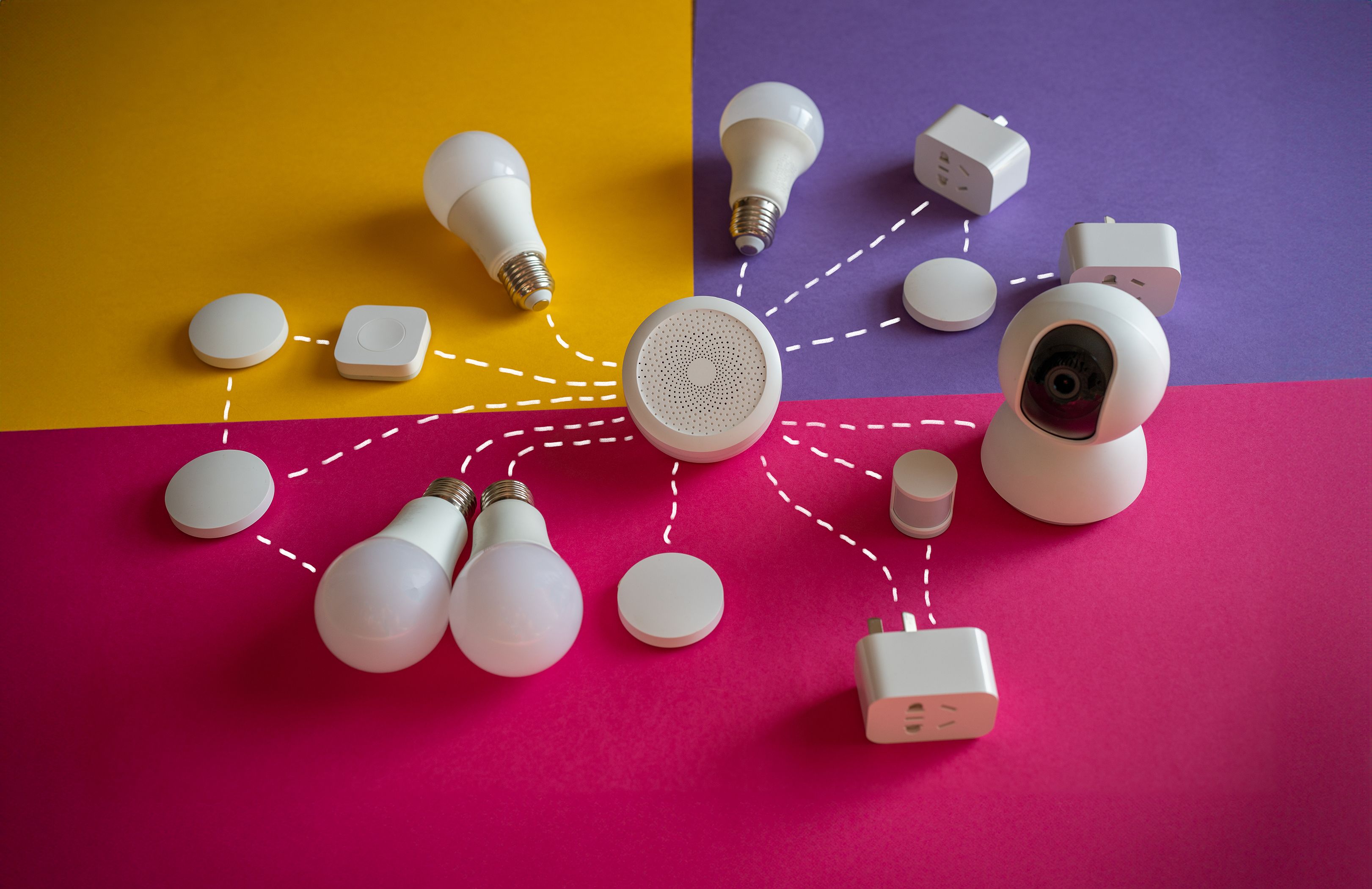
A complete IoT solution connects physical devices, communication infrastructure, data architecture, cloud systems, applications, and automation.
IoT is evolving from systems that simply collect information into intelligent environments capable of understanding conditions and supporting automated decisions.
AI and machine learning can help identify patterns within large volumes of sensor data. Meanwhile, edge computing enables the delivery of smart functionalities right next to connected devices when it helps to have a response quickly.
Digital twins can create digital representations of physical assets or environments, allowing businesses to understand and simulate real-world operations digitally.

Digital representations of physical assets and environments.
Connected operations that bring machines, systems, and people together.
Intelligent analysis of sensor information to identify patterns and support decisions.
The future of IoT will therefore be less about how many devices are connected and more about what those devices can help businesses understand, predict, and automate.