
Complex Content Structures
Large organisations often manage different content types, categories, departments, and publishing requirements.


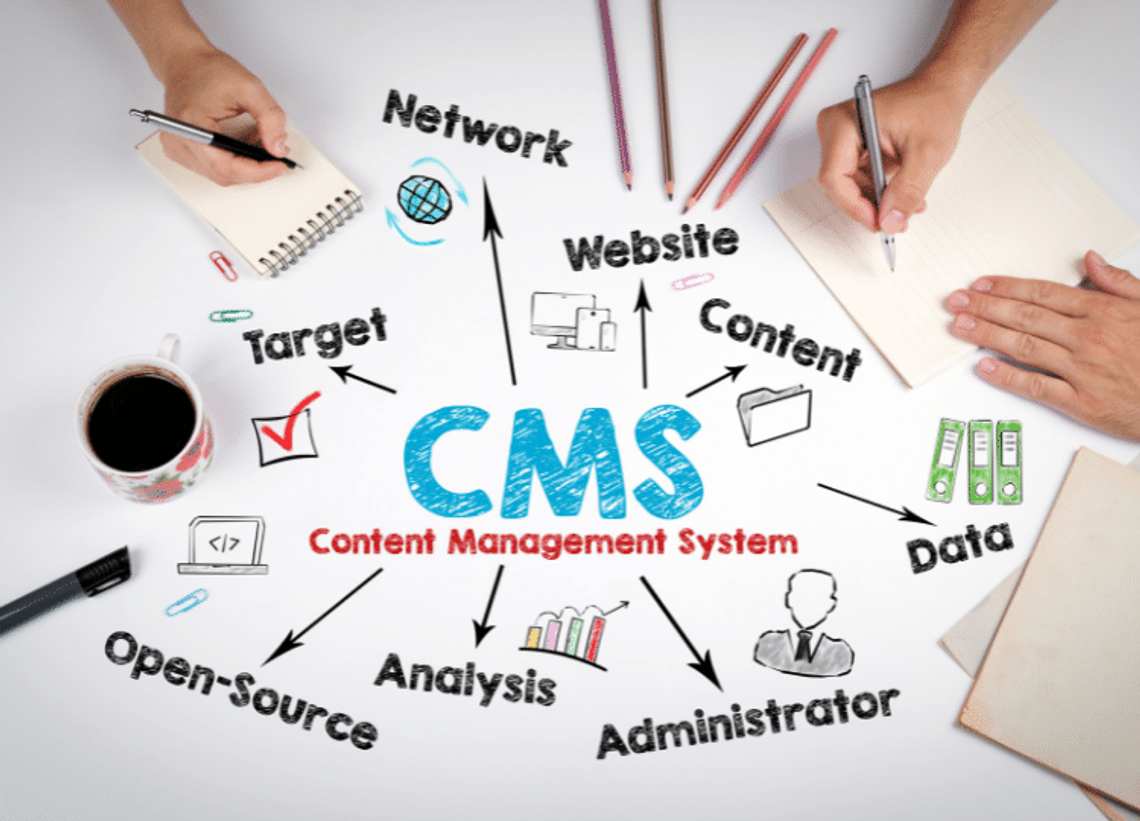
Businesses today manage far more than web pages. They also manage documents, images, structured data, product information, multilingual content, landing pages, and content spread across various digital touchpoints.
This has created new requirements for CMS platforms to be more adaptable, flexible, scalable, secure, and convenient for different teams.
We help businesses address these gaps by combining CMS development with modern architecture, APIs, workflow automation, structured content, security practices, and integrations.
Large organisations often manage different content types, categories, departments, and publishing requirements.

Content may pass through multiple teams before it reaches the final audience.

Older platforms can become difficult to maintain, secure, or connect with newer technologies.

Organisations with multiple brands, regions, departments, or websites may struggle to maintain consistency.

The same information may need to be recreated across different pages or channels.
Create, manage, and scale content across websites, portals, publishing workflows, knowledge platforms, and API-driven digital experiences, all from one connected content ecosystem.

Manage large information repositories where content accuracy, accessibility, publishing controls, and governance are important.
Manage large volumes of pages, documents, media, and structured information through a central CMS.
Manage multiple websites or digital properties through a connected content environment.
Create platforms for organisations that regularly publish articles, news, reports, resources, or other content.
Organise documents, guides, FAQs, resources, and knowledge content for employees, customers, or the public.
Create a central content repository that can distribute structured content to multiple digital platforms.

The future of CMS will not simply be a publishing interface; it will become a connected content layer that works alongside businesses.
It will move forward with more flexible architecture, customised features, enhanced design, etc. CMS will deliver across multiple digital experiences like AI-assisted content creation, classification, search, translation, & recommendations. In some cases, automation can help reduce repetitive publishing & governance tasks.